Entry · Ref BA3VQM0J
Getting Your Roof Ready for a Hurricane
- Posted
- 2026-11-10
- Last amended
- 2026-11-10
- Account
- @hurricaneroofpreparationexpert
Living in Northern Florida means knowing hurricane season is part of the deal. Strong winds and heavy rain can test any roof, and the difference between minor repairs and major damage often comes down to preparation done ahead of time. While you cannot control the weather, you can control how well your roof holds up against it.
Roofs fail in predictable ways during a storm. Wind gets under loose shingles and lifts them, rain finds its way through gaps in flashing or around vents, and debris can puncture the roof deck. Understanding these weak points is the first step to addressing them. A roof that is properly maintained and reinforced stands a much better chance of staying intact when the wind picks up. hurricane roof preparation
Start with a thorough inspection
Preparation begins with a careful look at the roof itself. Walk around your property and check for anything that looks worn or damaged. Curled or missing asphalt shingles are a clear sign that the roof needs attention. Even a single missing shingle can let water into the layers below, and in a storm that opening gets much worse. Look at the edges and corners of the roof first, because wind tends to grab there hardest.
Check the flashing around chimneys, vents, and skylights. Flashing is the metal or rubber strip that seals these joints, and over time it can crack or pull away. If you see gaps, they need to be sealed before a storm arrives. The roof deck itself should feel solid underfoot. Any spongy or soft spots suggest rot or water damage underneath, and those areas will not hold up against high wind.
Reinforce the edges and seams
The drip edge is the metal strip that runs along the edge of the roof. It directs water into the gutters and keeps wind from getting under the shingles. A loose or rusted drip edge can peel back in a storm, exposing the roof deck to the full force of the wind. Make sure it is securely attached and replace any sections that are damaged.

Seams and joints are another common failure point. If your roof has multiple sections meeting at different slopes, the valleys where they join need extra attention. These valleys collect water and debris, and during a hurricane they take a lot of pressure. Check that the flashing and sealant in these areas are intact. A product like ice and water shield can be applied to vulnerable spots for extra protection, but only if the surface is clean and dry.
Secure loose materials and clean up
Anything loose on or around the roof becomes a projectile in high wind. Look for loose tiles, gravel from built-up roofing, or even satellite dishes and antennas that are not firmly mounted. Remove or secure anything that could come loose and either damage the roof or hit a neighbor's property. Gutters and downspouts should be cleared of leaves and debris so water can flow freely. Clogged gutters can cause water to back up under the roof edge, and that adds weight and pressure the structure was not designed for.
Tree branches hanging over the roof should be trimmed back. A limb that snaps off in a storm can punch a hole through shingles and the roof deck. Keep branches at least several feet away from the roof surface. Also check for any signs of pests, like birds nesting under eaves or rodents chewing on vents. Those openings are entry points for water and air.
Think about wind uplift
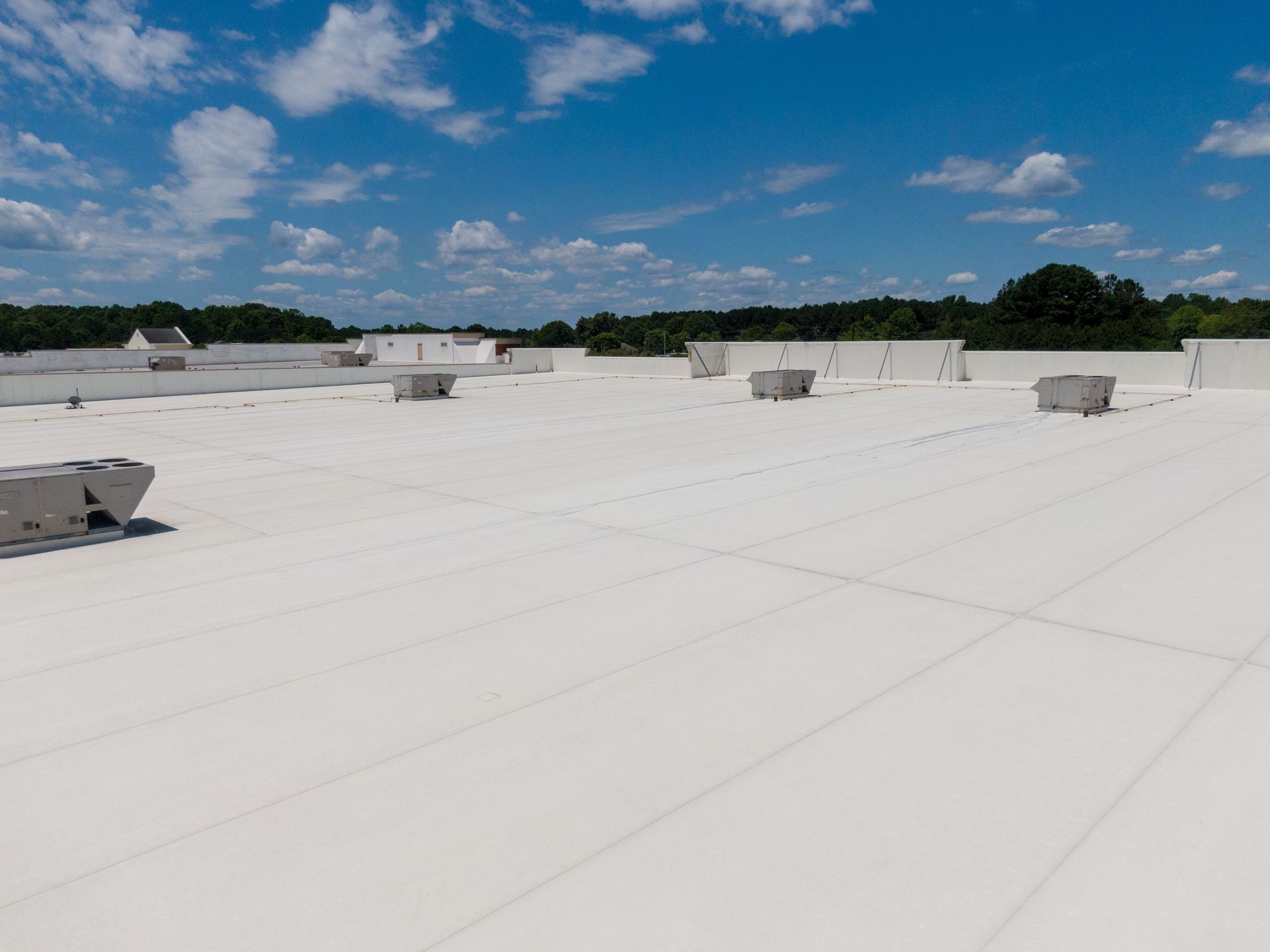
Wind uplift is the force that tries to lift the roof off the house. It happens when wind speeds create lower pressure on top of the roof, pulling it upward. The roof slope affects how much uplift occurs. A steeper roof catches more wind but also sheds water better, while a flatter roof may experience more even pressure across its surface. In both cases, the roof needs to be firmly attached to the walls and the deck needs to be well connected to the framing.
Roof ventilation plays a role too. Proper ventilation helps equalize pressure between the inside of the attic and the outside. If the attic is sealed tight, the pressure difference can be greater, increasing the risk of the roof peeling off. Soffit vents, ridge vents, and gable vents should all be clear and working. This is one of those details that is easy to overlook but makes a real difference when the storm hits.
One of the most important steps in hurricane roof preparation is making sure the roof deck is securely fastened to the rafters or trusses. This is not something you can check from the ground, but if you have access to the attic, look for signs that the roof sheathing is pulling away from the framing. Nail pops on the underside of the deck are a warning sign. In older homes, the nails may be too short or too far apart to hold against high wind. A professional can add more fasteners or switch to screws for a stronger connection.
Check the seal around vents and pipes
Plumbing vents, exhaust pipes, and bathroom fans that exit through the roof all have boots or collars that seal around them. These rubber or plastic pieces can dry out and crack over time. A cracked boot lets water and air in, and in a hurricane that leak turns into a serious problem. Replace any that look brittle or damaged. The same goes for the sealant around the base of skylights. Skylights are a common source of leaks even in normal rain, so they deserve extra attention before a storm.
Do not forget the inside
Preparation is not only about the roof itself. The attic and the interior ceilings can tell you a lot about the roof's condition. Look for water stains, damp insulation, or mold. These are signs that water has been getting in, and that means there is a weakness somewhere. Fixing the cause before the storm makes the roof stronger overall. Also, make sure the attic is well ventilated and that insulation is not blocking the vents. Good airflow helps keep the roof deck dry and reduces the chance of rot.
Another practical step is to photograph the roof and the interior condition before the storm. If damage does occur, having clear before-and-after pictures helps with insurance claims. Store those photos somewhere safe, like a cloud drive or with a friend outside the area.
When you put all of these actions together, the goal is a roof that can resist the forces a hurricane brings. Hurricane roof preparation is not about a single fix but about addressing many small vulnerabilities that add up. A roof that has been inspected, reinforced, and cleaned up will shed wind and water far better than one left to chance.
Know when to call a professional
Some tasks are straightforward for a homeowner, like clearing gutters or trimming branches. Others require experience and the right tools. Working on a roof carries real risk, especially when you are checking for damage or making repairs. If you are not comfortable on a ladder or the roof itself, do not push it. A qualified roofer can do a full inspection and point out things you might miss. They can also make repairs that are beyond a simple patch.
In Northern Florida, where hurricanes are a regular concern, many roofing companies offer pre-season inspections and maintenance. They know the local building codes and the types of roofs that handle wind best. If your roof is older or showing signs of wear, a professional assessment is money well spent. The cost of a repair before a storm is almost always less than the cost of fixing damage after one.
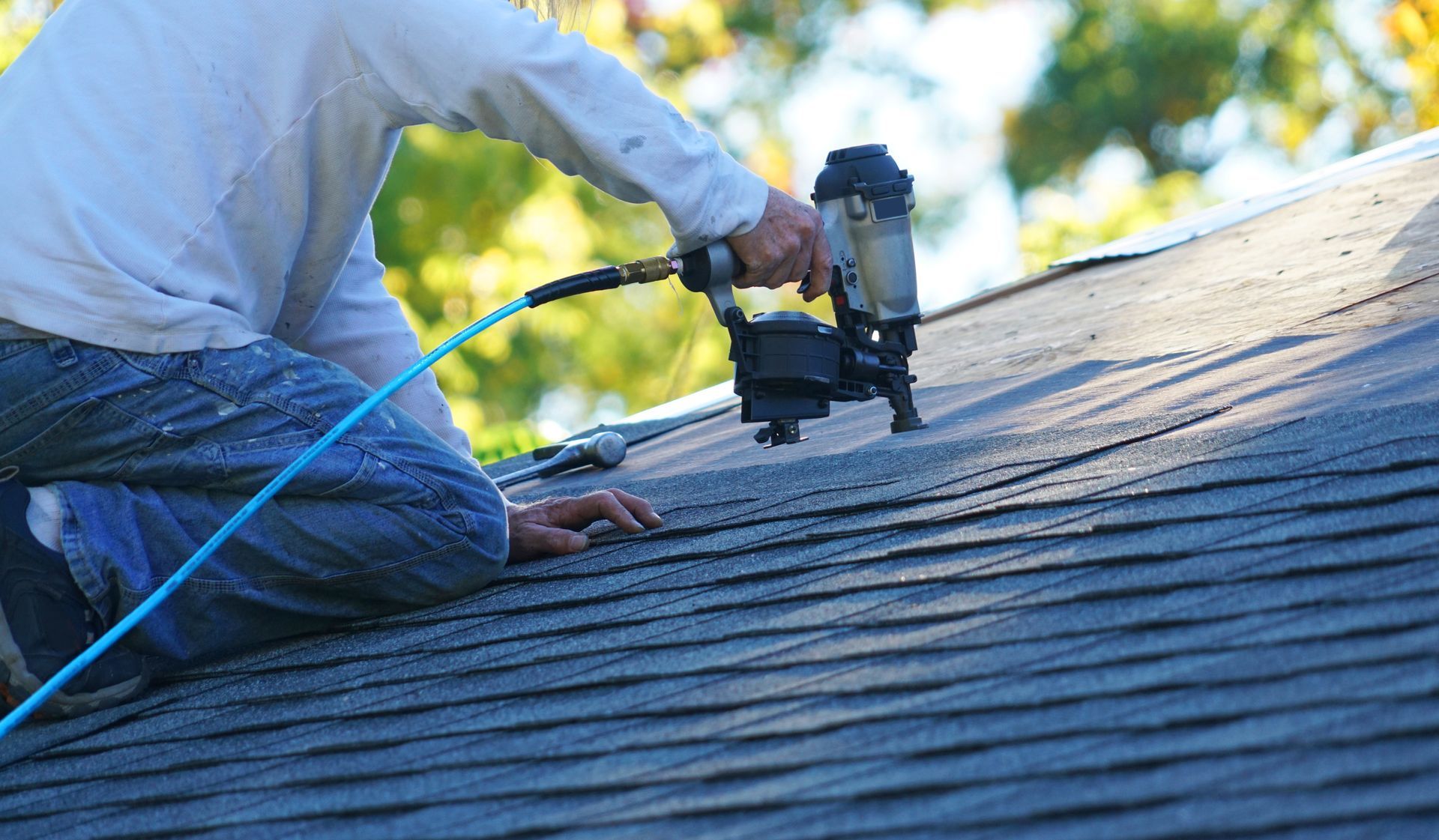
Preparation done early gives you peace of mind. When a storm is bearing down, the last thing you want is to be scrambling to fix a loose shingle or a clogged gutter. By taking care of the roof during the calm months, you remove a lot of stress when the weather turns. The roof is your home's first line of defense, and keeping it in good shape is one of the smartest investments you can make.
Hurricane season comes every year. A roof that is ready for it makes all the difference.